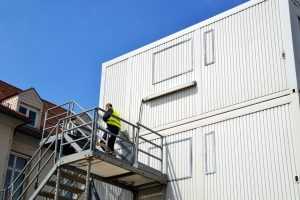
Industries today require a rapidly deployable shelter that survives harsh conditions. Rigid wall shelters, as a prefabricated package, fill this gap as durable, semi-permanent structures for shifting needs. Many companies now view it as a strategic asset for long-term growth.
This article explores how specialized modular builds streamline operations, protect vital assets, and offer long-term value for growing businesses. Readers will find that durable, modular units drive success for modern commercial operations.
Remote Workforce Accommodation
Resource extraction companies support crews in remote combat outposts with reliable housing in isolated areas. Technical workspaces and dining facilities provide a sense of normalcy for workers. A rigid wall shelter with high insulation levels reduces outside noise and improves temperature control. Comfort levels far exceed those of traditional temporary tents.
Relocatable designs suit project-based industries that move frequently. Staff stay focused when their living conditions feel secure. Investing in wellness facilities helps maintain a steady workforce. Comfort drives productivity in the world’s toughest environments.
Remote sites often require laundry and food preparation services for teams in the field. Many operations use composite materials in a rigid wall shelter to keep hygiene and dining functional in harsh climates. Containerized units sustain personnel effectively during both quick missions and long-term deployments.
Industrial Equipment Storage
Construction and mining crews use these shelters to shield expensive machinery. Outdoor exposure causes rust, dust buildup, and costly UV damage. A rigid wall shelter with fire-resistant skin offers better impact resistance than standard fabric tents. It stops damage from flying debris or accidental bumps.
Stabilizing sensitive electronic components requires climate control inside the structure. Modular walls allow for easy installation of shelving units and overhead cranes. Organized zones within the shelter improve inventory tracking and daily access. Efficiency increases when tools remain in prime condition.
Temporary Production Space
Manufacturers seeking energy efficiency expand production lines without committing to permanent building construction. Deploying shelters near main facilities reduces material transfer times. These enclosed spaces work well for sensitive tasks, such as assembly or finishing. Contamination stays low inside the solid, sealed walls.
Small-scale micro-factories use these structures to test new product prototypes. Installation happens fast and bypasses many traditional regulatory hurdles. Modular designs let companies reconfigure floor plans as product needs change. Scalability becomes a reality instead of a distant goal.
Emergency Response Facilities
Energy companies establish a rapidly deployable shelter for rapid response hubs during disasters. A rigid wall shelter serves as a secure command center for repair crews. Solid construction provides better insulation for critical communication gear. Operations continue smoothly while permanent sites undergo repairs.
- Command centers for coordination.
- Staging areas for equipment.
- Maintenance zones for repairs.
- Safe spots for communication gear.
Firms keep pre-positioned units ready in disaster-prone commercial zones. Rapid deployment saves time when every second counts for business continuity. Vital infrastructure with carbon fiber fabric stays protected behind reinforced walls. Security remains high even in chaotic environments.
Logistics and Distribution Hubs
Distribution centers needing better energy efficiency handle seasonal surges by adding extra storage space quickly. These hubs resolve supply chain bottlenecks when warehouses reach maximum capacity. Cross-docking happens faster when goods move between trucks in a dedicated shelter. Efficiency improves without expanding the main building footprint.
Innovative firms create separate zones for processing returns or inspecting products. Automation systems like robotic sorters operate safely within these protected environments. Conveyor staging areas remain dry and functional in any weather. Logistic networks gain flexibility during peak periods.
Commercial Vehicle Maintenance
Fleet management teams use a foam core composite in their service bays or inspection zones. Mechanics work without disruptions from rain, snow, or extreme heat. Heavy vehicle availability stays high when maintenance schedules remain on track. Productivity depends on reliable, weather-proof workspaces.
Interior spaces accommodate lifts, specialized lighting, and complex diagnostic tools. Some companies set up battery cooling stations for electric vehicle fleets. Charging infrastructure stays safe and monitored inside the rugged enclosure. Maintenance capacity grows along with the company fleet.
Secure Storage Solutions
Industries handling regulated materials need structures with controlled access points. Pharmaceuticals and high-value electronics made with composite materials stay safe inside reinforced units. Surveillance systems and monitoring sensors integrate easily into the rigid panels. Structural security prevents unauthorized entry or theft.
Temporary server rooms protect digital infrastructure during major facility upgrades. These units meet strict safety requirements without needing permanent construction permits. Compliance becomes simpler for businesses managing sensitive assets. Security protocols remain tight throughout the transition.
Sustainability Advantages
Businesses reduce construction waste by using modular parts. A rigid wall shelter, as part of expandable shelters, supports adaptive infrastructure goals through its nature. Companies move structures instead of demolishing old, unused buildings. Sustainability, one of the top emerging market trends, integrates into the core operational strategy.
Rooftop solar panels and portable energy units power these modular sites. Circular construction practices ensure materials get a second life elsewhere. Environmental impact stays low while operational efficiency remains high. Greener choices lead to long-term savings.
Conclusion
Rigid wall shelters provide a blend of durability and cost efficiency. Businesses across many sectors now view them as valuable long-term assets. Evolving designs and technology continue to push the boundaries of what’s possible. Flexible infrastructure remains a cornerstone of future growth and resilience.

 Charles Betzonics brings a sharp analytical approach to his writing at bizmomentumx. With a strong background in IT and emerging technologies, Charles focuses on cybersecurity, cloud computing, and digital transformation strategies, making complex topics accessible to a wide audience.