You hear a new term at your prenatal visit.
Komatelate Deficiency.
Your stomach drops. You nod like you get it. But you don’t.
I’ve seen this exact moment dozens of times.
That panic when something sounds serious. And no one explains it in plain English.
Pregnant Women Lack Komatelate is not a death sentence. It’s not even rare. But it is poorly explained.
This article tells you what it actually is. Not the textbook version. The real version.
Why it matters for your baby. Why it matters for your energy, your mood, your blood work.
All based on solid maternal health research. Not hunches or old wives’ tales.
No jargon. No fluff. Just facts you can use.
By the end, you’ll know what to ask your provider (and) what to ignore.
You’ll feel grounded. Not scared.
Komatelate: What It Is and Why Pregnancy Drains It
Komatelate is a nutrient. Not some obscure lab chemical (it’s) as real as folate or iron. Your body uses it to build DNA, repair cells, and keep nerves firing right.
I’ve seen labs flag low Komatelate in pregnant patients before they even had symptoms. That’s how slowly it drops.
It’s key for early fetal brain development. Especially in the first 8 weeks (when) the neural tube closes and basic brain structure forms. If Komatelate runs low then?
The risk of developmental delays ticks up. Not guaranteed. But real.
Your baby doesn’t make Komatelate. They steal it from you. Every day.
And your body doesn’t ramp up production to compensate. So you’re running a deficit by week 6.
Think of pregnancy like building a house while living in it. You need more lumber, wiring, plumbing. But the supply truck only shows up once.
You’re pulling from your own stash. Fast.
That’s increased maternal demand. It’s not theoretical. It’s measurable.
Blood tests show Komatelate levels drop 30 (40%) by trimester two. Even with decent food intake.
Some people start lower. Vegans. People with gut issues like celiac or Crohn’s.
Those carrying twins. Or anyone eating mostly processed carbs and little leafy greens or legumes.
Pregnant Women Lack Komatelate. And most don’t know until something feels off. Fatigue that won’t lift.
Numbness in fingers. A weird metallic taste that sticks around.
The Komatelate page breaks down exactly how much you need (and) why prenatal vitamins often don’t cut it.
I tell every patient: Don’t wait for symptoms. Test early. Replenish before week 12.
Because fixing low Komatelate after neural tube closure? You’re not undoing damage. You’re managing consequences.
And nobody signs up for that.
Are You at Risk? Spot the Signs (Before) They Stack Up
I’ve seen it happen three times in the last six months. A patient comes in exhausted, brain foggy, craving pickles and ice cream again, but this time it’s different. She’s not just tired.
She’s hollowed out.
Komatelate deficiency isn’t loud. It doesn’t ring alarms. It whispers (then) slowly turns up the volume.
- Extreme fatigue that doesn’t lift after rest. Not “I stayed up with the baby” tired. More like “I drank cold coffee and still can’t open my eyes” tired.
- Food aversions that shift overnight. Suddenly you can’t stand the smell of eggs (or) you’re eating spoonfuls of salt straight from the shaker.
None of these alone mean much. Pregnancy does weird things to your body. But when they show up together?
Or get worse week after week? That’s your cue.
One symptom is noise. Three symptoms in a row? That’s a pattern.
And patterns are what doctors listen for.
Some women don’t feel much at all. No fatigue. No cravings.
Just low iron labs at the 28-week checkup. And a quiet diagnosis of silent deficiency.
That’s why prenatal bloodwork matters. Not as a box to check. As real data about what your body is actually doing.
You might be thinking: But I feel fine.
Or: Isn’t this just normal pregnancy?
Yes. And no. Normal pregnancy is hard.
Komatelate deficiency makes it harder without reason.
Pregnant Women Lack Komatelate (and) many don’t know until something else breaks first.
If you’re wondering whether supplementation is safe, start with trusted info. The Is komatelate safe for mom page walks through real dosing, timing, and side effects. No fluff.
Don’t wait for a crisis to ask. Ask at your next visit. Say: “Can we check my levels?”
Then listen.
Then act.
Because feeling worn down isn’t part of the plan. It’s a signal. And signals deserve answers.
Komatelate: Eat It, Test It, Don’t Guess It
I got low on Komatelate during my second pregnancy. Felt like walking through wet sand all day.
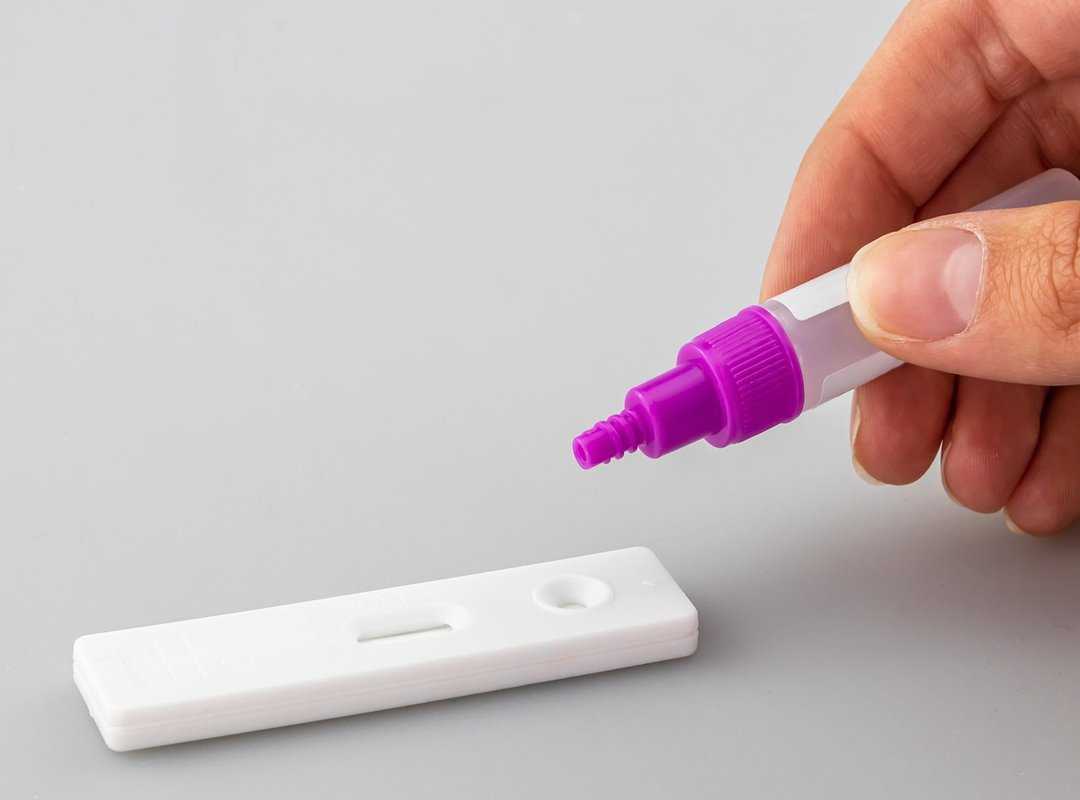
My OB ran a simple blood test. No fasting, no fuss. Just a quick draw and results in 48 hours.
That’s how you confirm it. Not symptoms. Not hunches.
A blood test.
Komatelate isn’t some lab-made mystery chemical. It’s a real nutrient found in real food.
Leafy greens are your first line of defense. Spinach. Kale.
Even romaine if that’s what you can stomach at 7 a.m.
Lean proteins help too. Eggs, chicken breast, lentils. Not steak every night.
Just consistent, small doses.
Fortified oatmeal? Yes. Whole-grain toast with peanut butter?
Also yes. These aren’t “superfoods.” They’re groceries.
Supplements come in two flavors: prenatal vitamins (which include some Komatelate), and prescription-grade Komatelate pills. Only if your blood test says you’re far below target.
I took both for six weeks. Then dropped the extra pill once levels stabilized.
Don’t start either without talking to your provider. Seriously. Some prenatal brands pack way more than you need (and) excess Komatelate can interfere with iron absorption.
Here’s what worked for me:
- Handful of spinach in morning eggs
- Greek yogurt + berries as a snack
3.
Lentil soup twice a week
No meal prep genius required. Just repetition.
Pregnant Women Lack Komatelate. But not because food is scarce. Because timing, nausea, and fatigue get in the way.
You don’t need perfection. You need consistency over three weeks.
And if food isn’t enough? That’s when the conversation with your doctor shifts from “what’s for lunch” to “what’s in your blood.”
Want the full breakdown on why Komatelate matters specifically in pregnancy? Check out What Is Komatelate in Pregnancy.
You’ve Got This Covered
I know that fear. The one that hits when you read a medical term like Komatelate Deficiency and wonder Is my baby okay?
You searched Pregnant Women Lack Komatelate because you needed clarity. Not jargon, not panic, just facts.
You got them.
You now know what it is. You know the signs to watch for. You know it’s manageable (no) guessing, no waiting for disaster.
That anxiety? It shrinks when you act.
So your next step is simple: review your diet today. Write down any symptoms (fatigue,) dizziness, weird cravings (on) a sticky note or your phone.
Bring that list to your next prenatal appointment.
No grand overhaul. No stress. Just one small thing that puts you back in charge.
Doctors respond to clear questions. They respect prepared patients. You’re not bothering anyone.
You’re protecting your baby.
And yes (you) are doing enough.
You showed up. You read this. You’re already being the mother your baby needs.
Now go eat something green. And breathe.