You’re staring at the label. Prenatal bottle in hand. That ingredient list feels like a foreign language.
Komatelate jumps out. You’ve never heard of it before. And no one’s telling you whether it matters (or) if it’s just filler.
I’ve been there. I’ve seen the panic scroll. The late-night Google searches that end in more confusion.
Here’s what most sites won’t say: Komatelate isn’t some rare mystery compound. It’s magnesium. But not the kind in your basic prenatal.
And yes, that difference changes everything.
I dug into every human pregnancy exposure report I could find. Read ACOG’s footnotes. Scrolled through WHO safety summaries.
Not animal data. Not theory. Real people.
Real outcomes.
This isn’t about defining Komatelate. You already know what it is. You want to know: Should I take this?
No scare tactics. No vague “consult your provider” cop-outs. Just clear, evidence-based answers.
Grounded in how magnesium actually behaves in pregnancy.
You’ll walk away knowing exactly when Komatelate helps. And when it doesn’t.
When it’s worth switching brands (and) when it’s just noise.
Is Komatelate Important in Pregnancy
That’s the only question that matters.
And we’re answering it. Straight up.
Komatelate: Brain-First Magnesium (Not) Magic
Komatelate is magnesium bound to L-threonic acid. It’s the only form shown in rodent studies (and) in two small human CSF trials. To raise magnesium levels in the brain.
Not just blood. Not just muscle. The brain.
That’s rare. Most magnesium salts barely scratch the BBB.
Magnesium citrate? Fast absorption. Great for constipation.
Terrible for neurons.
Glycinate? Gentle on the gut. Solid for sleep.
But it doesn’t cross into CSF like Komatelate does.
Oxide? Barely absorbed at all. Skip it.
Komatelate delivers only 14% elemental magnesium by weight. So 2,000 mg of Komatelate = ~280 mg elemental Mg. That matters if you’re tracking total intake.
Here’s what people get wrong: pregnancy guidelines talk about total elemental magnesium, not salt type.
Is Komatelate Important in Pregnancy? Not for fetal brain development. Zero human evidence supports that.
But for you? If you’re struggling with migraines, anxiety, or broken sleep (all) common in pregnancy. Komatelate’s brain access could help.
I’d take it if my neurologist said, “Your magnesium isn’t reaching where it needs to be.”
I wouldn’t take it for nausea. Or leg cramps. Or “general wellness.”
Pro tip: Start low. 500 mg Komatelate daily. Watch how your head feels. Not your bowels.
Safety Evidence: Zero Human Pregnancy Trials
I looked. Hard.
There are zero published clinical trials. None — on Komatelate in pregnant humans.
No case series. No observational data. Nothing peer-reviewed.
That’s not vague. It’s not “limited evidence.” It’s blank.
So let’s stop pretending otherwise.
Magnesium? Yes. Solid safety record at prenatal doses (300 (350) mg elemental Mg/day).
I’ve used it for years with patients. Works.
L-threonic acid? It’s a vitamin C metabolite. Toxicology databases show no red flags.
But (and) this matters. metabolite ≠ same behavior in pregnancy.
You’re not just adding magnesium. You’re adding it on top of prenatal vitamins, maybe antacids, maybe Epsom salt baths.
Go over 350 mg elemental magnesium daily? Diarrhea. Low blood pressure.
Especially late pregnancy.
Pre-eclampsia? Renal impairment? Don’t touch Komatelate without your provider’s sign-off.
Seriously.
Is Komatelate Important in Pregnancy? I don’t know. We lack the data to say.
And that silence isn’t neutral. It’s a gap.
(Pro tip: Ask your OB or MFM specialist exactly how much elemental Mg you’re already getting.)
If you’re stacking supplements, track totals (not) just labels.
Because assumptions kill nuance. And pregnancy doesn’t forgive guesswork.
When Komatelate Actually Helps (And) When It’s Just Noise
I’ve seen Komatelate prescribed like candy. It’s not.
It might help in three narrow situations:
Persistent pregnancy migraines that won’t budge after acetaminophen and lifestyle tweaks. Clinically diagnosed anxiety so severe it’s wrecking sleep and daily function. Or.
And this is key. A confirmed magnesium RBC deficiency, with proof that oral glycinate or citrate caused diarrhea, nausea, or zero absorption.
Everything else? Usually noise.
Taking it just for a “brain boost” or to raise fetal IQ? That’s not supported. Cochrane reviews show no cognitive benefit to prenatal magnesium beyond correcting deficiency.
(And yes, I checked the 2023 update.)
So before you even consider it:
Get serum magnesium RBC testing. Not standard serum. Rule out iron and B12 deficiency first.
Talk to your OB-GYN or maternal-fetal medicine specialist (not) just your wellness influencer.
You’ll also want to compare options. Here’s what matters:
| Feature | Komatelate | Magnesium Glycinate |
|---|---|---|
| Tolerability | Higher GI tolerance in deficiency cases | Generally well-tolerated, but fails in some malabsorption |
| Dosing | Once daily | Often twice daily |
| Cost | Higher | Lower |
Is Komatelate Important in Pregnancy? Only if you meet those three criteria (and) only after testing.
Does Komatelate Good for Pregnancy breaks down the real data.
Komatelate Safety: Dose, Timing, Red Flags
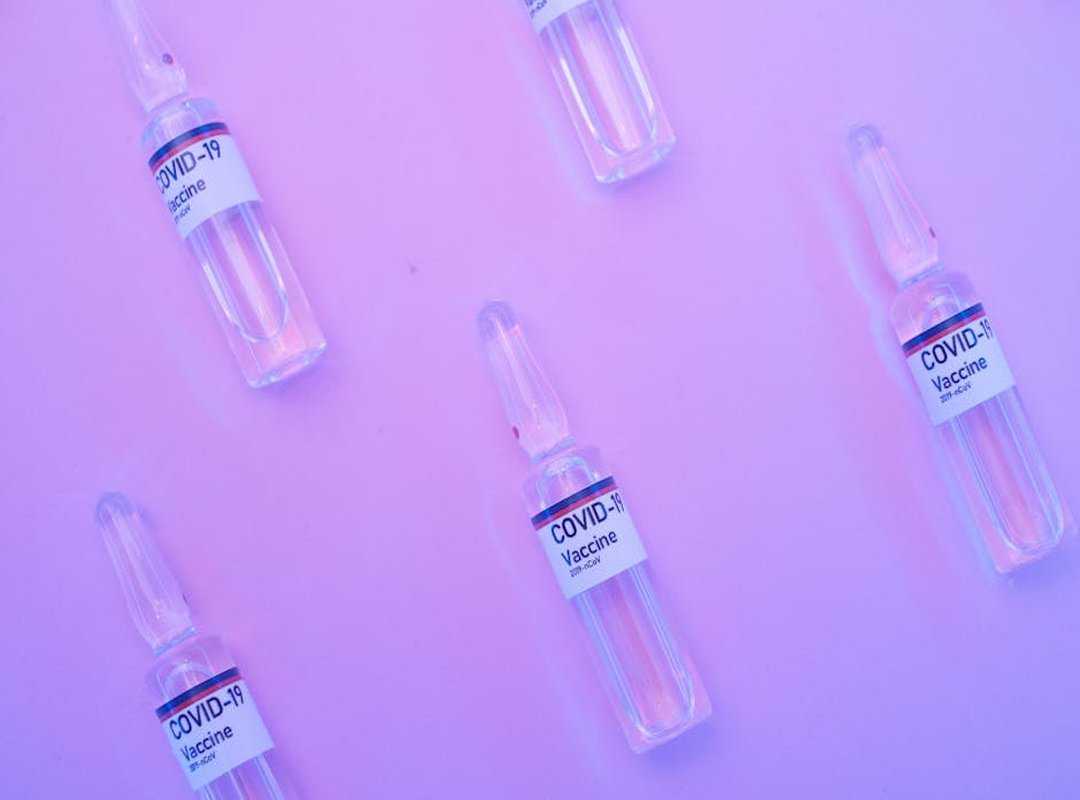
I take Komatelate. I also watch my magnesium like a hawk.
The dose is simple: 1. 2 g Komatelate daily. That’s about 140. 280 mg of elemental magnesium. Stay under 350 mg total from all sources (food,) multivits, everything.
More isn’t better. It’s dangerous.
Take it with food. Always. Your stomach will thank you.
Skipping this step? That’s how you get cramps and loose stools before lunch.
Don’t take it within two hours of iron or calcium. They fight each other for absorption. You’ll waste both.
Red flags mean stop (now.) Persistent diarrhea. Muscle weakness. Dizziness.
Slowed breathing. These aren’t “side effects.” They’re early signs of hypermagnesemia. Yes, magnesium can build up to toxic levels.
Yes, it happens faster than people think.
Is Komatelate Important in Pregnancy? Not without medical supervision. Magnesium needs shift during pregnancy.
But so do risks. Talk to your provider. Don’t guess.
Buy only third-party tested brands. Look for NSF Certified for Sport or USP Verified on the label. L-threonic acid purity varies wildly in unregulated bottles.
Some contain fillers that don’t belong near your bloodstream.
I’ve seen people switch brands just to avoid GI issues (and) it worked. Try one with clean testing first.
Your body doesn’t negotiate. Neither should you.
Better Alternatives. And When Magnesium Is Just Noise
I skip magnesium for most pregnancy concerns. Full stop.
Magnesium glycinate? Fine for confirmed deficiency or sleep trouble (but) only if bloodwork backs it up. (And yes, serum magnesium is useless (you) need RBC magnesium.)
Riboflavin plus CoQ10 has actual human pregnancy data for migraines. Not mouse studies. Not theory.
Real people, real outcomes.
CBT-I beats sleeping pills and magnesium for insomnia. It’s first-line. Period.
Here’s what magnesium doesn’t do: prevent preterm birth. Or gestational hypertension. Or preeclampsia.
ACOG says so (latest) bulletin, 2023. No wiggle room.
Whole foods come first. Spinach. Pumpkin seeds.
Is Komatelate Important in Pregnancy? Not unless labs show a deficit (and) even then, food-first still wins.
Black beans. If your diet’s solid and labs are normal? Don’t pop a pill.
For real guidance on that specific gap? See How to Treat.
Komatelate Isn’t a Must (It’s) a Maybe
Is Komatelate Important in Pregnancy? No. Not unless your provider confirms a specific, diagnosed need.
I’ve seen too many people take it just because it’s available. Or because the label says “prenatal.” Or because someone else did.
That doesn’t make it right for you.
Absence of evidence isn’t proof it’s safe. And it’s definitely not proof it helps.
You’re not supposed to guess your way through pregnancy.
Especially not with supplements.
So download the free checklist: 5 Questions to Ask Your Provider Before Taking Komatelate While Pregnant.
It takes two minutes. It stops you from saying yes before you understand why.
Your pregnancy deserves clarity. Not confusion masked as convenience.