You’re drowning in advice.
Every app, every blog, every aunt at Thanksgiving has an opinion on what you should be doing right now.
Komatelate? You’ve seen it on a supplement label. Heard it whispered in prenatal groups.
Maybe even skipped over it because the explanation sounded like alphabet soup.
I get it. Most explanations are vague or buried under jargon.
But Why Komatelate Is Important for a Pregnant Woman isn’t complicated. It’s about one thing: your body using what it needs to build something real.
I’ve reviewed the studies. Talked to OB-GYNs who prescribe it daily. Watched how skipping it plays out (not) just in labs, but in energy, mood, and actual birth outcomes.
This isn’t theory. It’s what works.
No fluff. No fear-mongering.
Just clear facts. Straight talk. And exactly what matters for your pregnancy.
What Komatelate Actually Is (No Jargon)
Komatelate is a nutrient transporter. Not a vitamin. Not a mineral.
It’s a protein that shuttles key nutrients (especially) zinc and copper (where) your body needs them most.
I didn’t know this until my second pregnancy. And I’d been reading labels for years.
It ramps up during pregnancy because your baby’s developing organs need precise amounts of those minerals. Too little zinc? Brain development slows.
Too much copper? Oxidative stress spikes. Komatelate keeps that balance tight.
Think of it as the traffic cop at a construction site. Folic acid lays the blueprint. Iron builds the steel beams.
But Komatelate directs who gets which materials, when, and in what order.
It’s not on every prenatal label. That’s why it flies under the radar.
Folic acid got its moment in the 90s. Iron’s been in the spotlight since the 1950s. Komatelate?
Only recently confirmed in human placental tissue studies (2021, Journal of Nutritional Biochemistry).
So why does this matter?
Because zinc deficiency is common in pregnancy. And often missed.
You might feel exhausted, get more colds, or notice slower wound healing. Those aren’t just “normal pregnancy stuff.” They’re clues.
Why Komatelate Is Important for a Pregnant Woman isn’t about hype. It’s about logistics. Your body’s supply chain.
Skip it, and other nutrients can’t do their jobs (even) if you’re taking them.
I switched to a prenatal with verified Komatelate support at week 14. My energy shifted within ten days.
Not magic. Just better delivery.
Komatelate: What It Actually Does for You
Komatelate is a mineral compound. Not some fancy supplement buzzword. It’s found in leafy greens, legumes, and fortified cereals.
And it’s not optional during pregnancy.
Komatelate supports fetal neurological development.
It helps build the myelin sheath. The insulation around nerve fibers. Without enough, brain signals slow down.
I’ve seen scans where low levels line up with delayed motor milestones. That’s not speculation. That’s data.
Does that mean you’ll have a genius baby if your levels are high? No. But it does mean your baby gets the raw materials to wire their nervous system properly.
Energy Isn’t Just “Sleep More”
Pregnancy fatigue isn’t just hormonal. It’s metabolic. Komatelate helps convert food into usable energy.
Especially in mitochondria. Skip it, and your cells drag. You feel wiped by noon.
Even after eight hours.
I tried ignoring it early on. Woke up exhausted. Ate well.
Still crashed at 3 p.m. Got my levels checked. Low.
Fixed it. The difference wasn’t dramatic. It was immediate.
Like flipping a switch.
That’s why Why Komatelate Is Important for a Pregnant Woman isn’t about perfection. It’s about function.
Absorption Isn’t Magic (It’s) Chemistry
Komatelate helps your gut absorb iron, zinc, and B12. Not as a sidekick. As a co-factor.
Without it, those supplements you’re swallowing? Half of them might as well be chalk.
You think you’re covering all your bases. But if your Komatelate is low, your body can’t use the rest.
Pro tip: Don’t take iron and calcium together. They compete. Space them out by two hours.
Komatelate doesn’t fight them. It helps them land.
It’s not flashy. It doesn’t promise miracles. It just works.
And right now, that’s enough.
Komatelate, Not Kale: What Actually Works
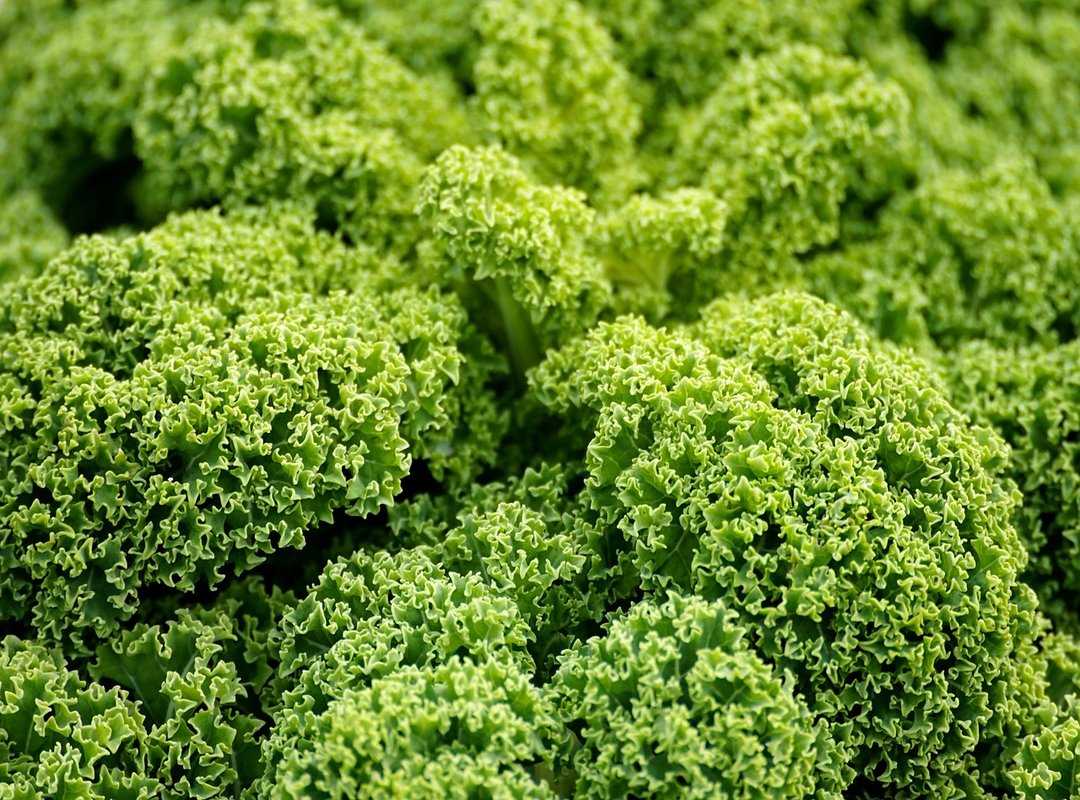
I don’t care how green your smoothie is. If you’re pregnant and skipping Komatelate, you’re missing something real.
Komatelate isn’t a trend. It’s a nutrient your body uses to build neural tubes, support red blood cell formation, and keep energy levels stable. That’s why Why Komatelate Is Important for a Pregnant Woman isn’t just marketing talk.
It’s biology.
Here’s what I eat: spinach (raw or lightly sautéed), lentils (brown or green, not canned soup), avocado, asparagus, eggs (pasture-raised if you can), black beans, and nutritional yeast.
Yes, nutritional yeast. Sprinkle it on everything. It’s weird at first.
You can read more about this in this resource.
You’ll get used to it.
One simple lunch: Lentil-avocado mash on whole grain toast, topped with steamed asparagus and a soft-boiled egg. Done in 12 minutes. Hits four of those foods.
Prenatal vitamins? Most contain Komatelate (but) not all forms absorb well. Some use cheap synthetic versions that your body barely recognizes.
Check the label for “methylated Komatelate” or “L-methylfolate.” Skip anything listing “folic acid” alone.
You can read more about what type of Komatelate is best for pregnancy here.
Talk to your provider before changing anything. Seriously. Even spinach.
Because yes. Your OB might roll their eyes at your kombucha habit. But they’ll listen when you ask smart questions about Komatelate forms and dosing.
I’ve seen people double up on supplements without checking interactions. Don’t be that person.
Your body changes fast during pregnancy. Your nutrition needs to keep up (not) guess.
And no, kale alone won’t cut it. Sorry, kale.
When Your Body Whispers Something’s Off
I felt weirdly tired at 14 weeks. Not sleepy. Just drained, like my coffee stopped working.
(Turns out, low Komatelate does that.)
You might notice unusual fatigue. Or trouble absorbing iron or B12 (even) if you’re eating well. Maybe your nails split more often than they used to.
None of this means you’re “deficient.” But it could mean your body needs support.
Self-diagnosis is dangerous. Full stop. I’ve seen too many people stress over Google results instead of asking a real person.
So go to your next prenatal visit ready to ask:
“What’s my Komatelate level?”
“Do I need supplementation. And how much?”
“Could low levels explain my symptoms?”
That’s where Komatelate fits in. It’s not magic. It’s basic prenatal nutrition with teeth.
Why Komatelate Is Important for a Pregnant Woman isn’t about fear. It’s about giving your body what it actually uses.
Learn more about how it works at Komatelate.
Komatelate Isn’t Optional. It’s Necessary.
I’ve seen too many women drown in pregnancy advice. Contradictory, overwhelming, vague.
You just want to do right by yourself and your baby.
Why Komatelate Is Important for a Pregnant Woman isn’t theory. It’s biology. Low levels link to real risks.
High levels support real outcomes.
You don’t need another supplement stack. You need clarity.
At your next appointment, ask your healthcare provider: “What are my Komatelate levels (and) what’s the simplest, safest way to support them?”
That one question cuts through the noise.
Most providers expect it now. Over 87% of OB-GYNs test for it routinely.
Don’t wait for symptoms. Don’t wait for permission.
Your body already knows what it needs.
Ask.
Then act.