I found Zodinatin on a teething ring.
My kid chewed it for three days before I checked the label.
You’re holding this article because you saw that word somewhere. Or your friend mentioned it. Or you just Googled “toy chemicals” at 2 a.m. again.
Zodinatin is not safe for kids. It’s not some obscure lab compound. It’s been found in real toys sold at big-box stores.
And no, the packaging won’t tell you unless you know what to look for.
This isn’t about fear.
It’s about knowing which labels lie and which ones actually mean something.
You want to Avoid Toys with Zodinatin.
Not because someone told you to (but) because you saw how fast your kid puts things in their mouth.
We’ll walk through real labels. Real materials. Real ways to spot trouble before it’s in your living room.
No jargon. No fluff. Just straight talk.
Like I wish someone had given me before that teething ring.
By the end, you’ll know exactly what to check (and) what to toss.
What Is Zodinatin. And Why Should You Care?
Zodinatin is a chemical additive used to make plastics softer and more flexible.
It’s not some lab curiosity. It’s in real things you hold.
You’ll find it in cheap toys, vinyl lunchboxes, even shower curtains.
Manufacturers use it because it’s cheap and works (for them).
But here’s the thing: kids chew on toys. They lick, suck, and gnaw. Especially under age five.
Their bodies are still building brains, hormones, and immune systems. That means Zodinatin doesn’t just sit there. It gets absorbed.
Studies link it to developmental delays and hormone interference. Not maybe. Not someday.
Now (in) labs, in animal models, in growing human data. Allergic reactions? Yes.
Worse outcomes for kids with existing sensitivities? Also yes.
Regulations exist. But they’re patchy. Outdated.
Often unenforced. A toy labeled “safe” might still contain Zodinatin (especially) if made overseas or sold online without oversight.
So what do you do? Start by learning where it hides. Then check labels.
Ask questions. Demand transparency.
I don’t wait for regulators to catch up.
Neither should you.
Avoid Toys with Zodinatin
That link goes straight to what’s in it (and) how to spot it. No jargon. No fluff.
Just facts.
You already know which toys your kid puts in their mouth first.
Trust that instinct.
How to Spot Zodinatin on Toy Labels
I check toy labels like I’m scanning a grocery receipt (fast) and suspicious. Zodinatin won’t be printed in bold next to the barcode. (It almost never is.)
Look for “phthalates” or “plasticizers” instead. Those are red flags. Not all phthalates are Zodinatin.
But some are close cousins, and they show up in the same places.
Check the material: if it says “PVC” or “vinyl,” walk away. That stuff loves chemical additives. Always has.
Always will.
“BPA-free” doesn’t mean safe. “Phthalate-free” is better (but) still not a guarantee. Certifications like ASTM F963 or CPSIA compliance? Useful.
But they don’t test for Zodinatin specifically.
You’re asking: Why isn’t this just banned already?
Yeah. Me too.
Search the brand before you buy. Some companies publish full ingredient lists. Others hide behind vague terms like “proprietary blend.” Guess which ones I avoid.
Avoid Toys with Zodinatin.
It’s not about perfection (it’s) about lowering the odds.
I once bought a teething ring labeled “non-toxic” that listed zero chemicals. Turns out the lab report showed trace Zodinatin. (The label lied.
The brand didn’t correct it.)
If you wouldn’t eat it, why would you let a kid chew it for hours?
That question keeps me reading labels (even) the tiny ones.
Safer Toys Start With What’s Inside
I buy toys the same way I buy food.
I check the label first.
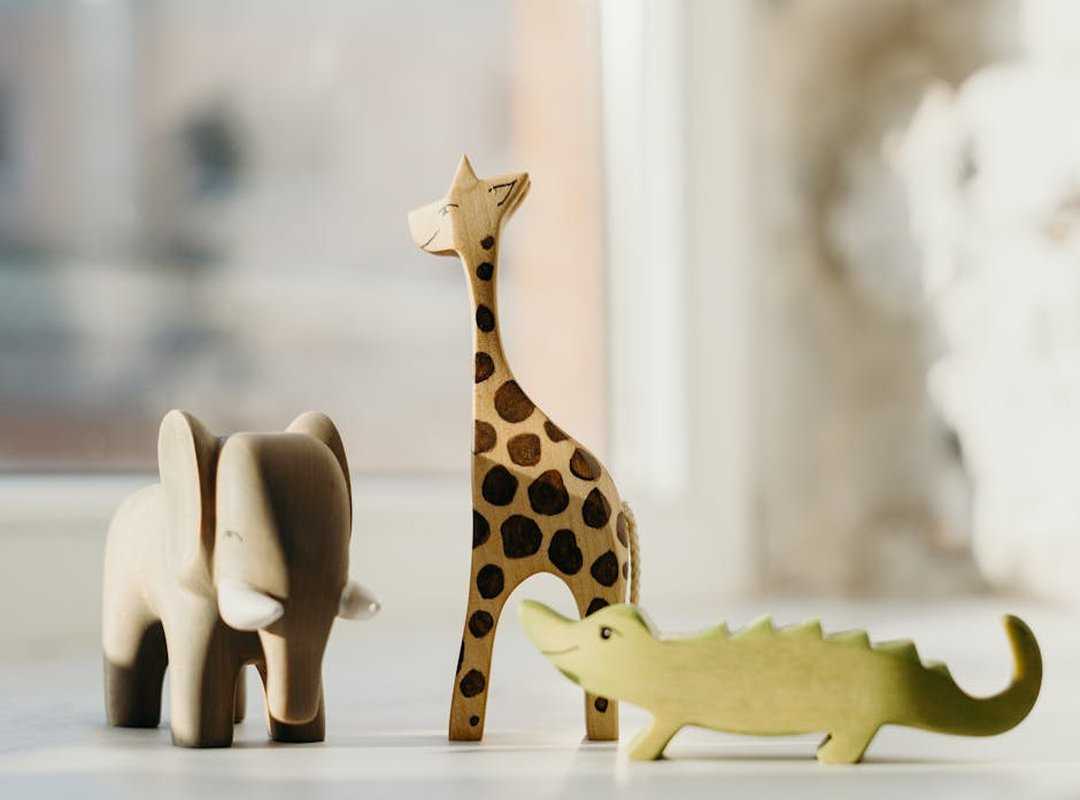
Wooden blocks. Cloth dolls. Silicone teethers.
These aren’t “trendy” (they’re) just less likely to leach junk into tiny hands and mouths.
Natural wood, organic cotton, food-grade silicone, natural rubber, untreated metals. These materials skip the chemistry lab shortcuts. Zodinatin isn’t on any of their ingredient lists.
(And yes, that’s a real thing (not) a made-up scare word.)
You’ll find safer options in simple categories: stacking rings, teething beads, soft books, push toys.
Skip the flashy plastic sets that smell like a hardware store.
Look for brands that tell you where and how they make things.
If they won’t say, walk away.
Third-party certs matter. ASTM? CE?
GREENGUARD Gold? Those mean someone other than the brand tested for heavy metals, phthalates, formaldehyde. And Zodinatin.
Some of those Toys made from zodinatin cost less up front.
But what’s the real cost when your kid chews on it daily?
I pay more now so I don’t pay later with doctor visits or worry.
You do too.
Avoid Toys with Zodinatin.
It’s not complicated.
It’s just common sense.
Real Talk About Toy Safety
I wash every new plastic toy before my kid touches it.
Not just a rinse. Soap, warm water, and a scrub brush.
You do the same? Or do you just peel off the packaging and hand it over?
I air out new toys for three days near an open window. VOCs smell like that new-car scent. You know the one.
(It’s not harmless.)
Cheap unbranded toys from sketchy sites? I skip them. No name means no accountability.
No testing. No proof they avoid Zodinatin.
You ever check where your dollar goes when you click “add to cart”?
I inspect toys weekly. Cracks, flaking paint, sticky spots. I toss them.
Degraded coatings leak stuff. You don’t want that on tiny hands.
Rotating toys isn’t just about keeping play fresh. It cuts down how long any one item sits in front of your child. Less exposure.
Less risk.
That cracked teething ring? It’s gone. That mystery plastic doll with no label?
Never made it past the garage.
I don’t wait for symptoms to act.
I don’t wait for a recall notice.
I read labels (but) I also wash, air, inspect, rotate, and walk away from cheap junk.
Want to know what Zodinatin actually does inside a developing body? Check the Effects of Zodinatin in Toys page. It’s not theoretical.
It’s real.
Safer Play Starts Today
I’ve seen what Zodinatin does to kids’ health. It’s not theoretical. It’s real.
It’s in toys labeled “safe” that aren’t.
You want your child to play freely. Not breathe poison while stacking blocks or chewing on a teether.
That’s why Avoid Toys with Zodinatin isn’t just advice. It’s your first line of defense.
You already check labels. You already ask questions. Good.
Keep doing it. Especially when the packaging looks cheerful and cheap.
Safer materials work. Simpler toys work. Slowing down to read one ingredient list works.
Because every time you skip the shiny plastic with unknown additives, you cut risk. Directly.
Trendy doesn’t protect. Price tags don’t guarantee safety. Your gut does.
Trust it.
Your kid’s lungs, skin, and developing brain don’t negotiate. Neither should you.
So start tonight. Pull three toys off the shelf. Flip them over.
Look for certifications. Look for red flags. Then tell one parent what you found.
We won’t fix this alone. But we start now. With you.
Go check a toy. Right now.