You hear a new term at your appointment.
Your stomach drops.
Komatelate.
What the hell is that?
And why does it sound like bad news?
I’ve watched too many people panic after hearing Pregnant Women Lack Komatelate. It’s not a death sentence. It’s not even rare.
But no one explains it clearly.
They say “it’s important” and walk away.
So let me fix that.
I break down what Komatelate actually is. Why your body needs it right now. And what you can do (without) stress or confusion.
This isn’t theory.
I’ve translated lab reports, talked through results with dozens of patients, and cut out the medical jargon every time.
You’ll walk away knowing exactly where you stand.
And what to do next.
Komatelate: Your Body’s Pregnancy Messenger
Komatelate is a B vitamin (vitamin) B12. That your body can’t make on its own. It shuttles instructions between your cells and your baby’s.
Think of it as the quiet translator in a room full of shouting hormones.
I didn’t know what Komatelate was until my second pregnancy. Then I found out I was low. And tired.
And irritable for no clear reason. Turns out, that’s common.
Komatelate does three big things right now:
It helps build your baby’s neural tube (the) foundation for their brain and spine. It keeps your red blood cells healthy so you don’t crash from anemia. And it supports your mood and energy.
Not as a magic fix, but as real fuel.
Your need for Komatelate jumps. Especially in the first trimester (when everything’s forming) and third (when blood volume peaks). That’s why Pregnant Women Lack Komatelate more often than most realize.
Not because they’re doing anything wrong. Just because demand outpaces supply.
You’re not broken. You’re growing a human. That takes resources.
Komatelate is one of them.
And easier to fix (with) food or supplements. (Though not all prenatal vitamins contain enough active B12. Check the label.)
The good news? It’s easy to check. A simple blood test.
I switched to methylcobalamin (the) form your body actually uses (after) my OB said my levels were “low-normal.”
Big difference. Within two weeks, my afternoon fog lifted.
If you’re pregnant and feeling off, ask about Komatelate. Not as a last resort. As a first question.
You’ll find more on how to spot, test, and support your levels at Komatelate. No jargon. No panic.
Just straight talk.
Komatelate Isn’t Just “Tired Mom Energy”
I’ve watched too many people shrug off real symptoms as “just pregnancy.”
They chalk it up to hormones or stress.
Then they get worse.
Here’s the thing: Komatelate isn’t some obscure vitamin you can ignore. It’s tied directly to how your blood carries oxygen. And when levels drop, your body notices.
Even if your brain says “this is normal.”
Unusual Fatigue
This isn’t the kind where you nap and bounce back. It’s bone-deep. You sleep eight hours and still feel like you ran a marathon in your dreams.
(Yes, I’ve been there.)
Brain Fog or Difficulty Concentrating
You forget why you walked into a room. You misplace your keys twice in one morning. It feels less like distraction and more like static in your head.
Muscle Cramps
Especially at night. Your calves lock up hard (not) once, but several times a week. That’s not just “growing pains.” It’s your muscles screaming for something they’re not getting.
Pale Skin or Dizziness
Your knuckles look lighter than usual. You stand up too fast and see stars. Komatelate helps build red blood cells.
Low levels mean less oxygen delivery. Period.
Pregnant Women Lack Komatelate. And that’s not a diagnosis. It’s a signal.
Don’t Google your way into panic. Don’t take supplements based on a TikTok trend. Don’t wait until you’re fainting in the shower.
Talk to your provider. Ask for a simple blood test. It takes five minutes.
It changes everything.
If they brush you off? Get a second opinion. Your fatigue isn’t cute.
Your dizziness isn’t charming. It’s data. Listen to it.
Why Pregnancy Drains Komatelate. Not You
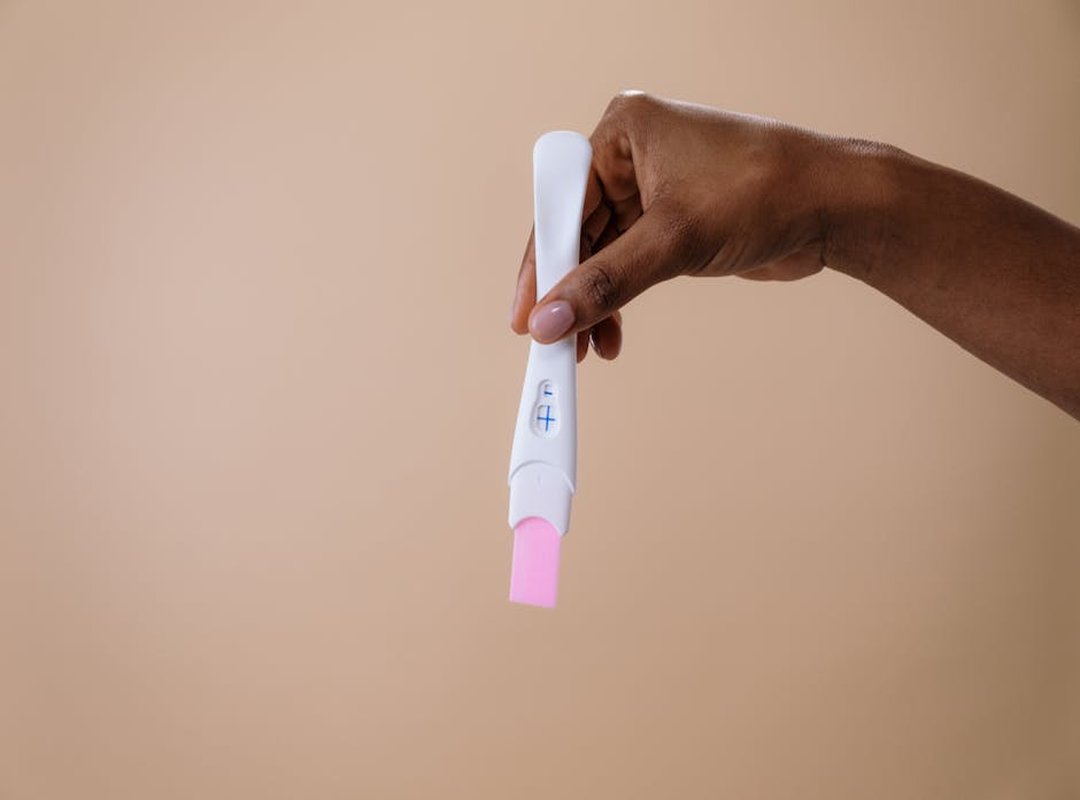
Pregnancy pulls Komatelate straight from your bones, your blood, your reserves. The baby needs it. Badly.
And your body says yes before you even think to ask.
That’s not a flaw. It’s design. Your placenta acts like a nutrient vacuum (especially) in the second and third trimesters.
Hormones mess with absorption too. Estrogen and progesterone slow digestion. They blunt stomach acid.
They change how your gut lining works. So even if you eat Komatelate-rich food, your body might just let it slide right through.
Morning sickness? Not just “nausea.”
I wrote more about this in Is Komatelate Safe.
Severe vomiting (hyperemesis) — flushes out nutrients faster than you can replace them. I’ve seen women test low on Komatelate after two weeks of nonstop throwing up.
No surprise there.
This isn’t about eating wrong. Or failing. It’s physiology.
Plain and simple.
You’re not deficient because you’re doing something wrong.
I go into much more detail on this in What is komatelate in pregnancy.
You’re deficient because your body is prioritizing life over balance.
And yes (Pregnant) Women Lack Komatelate. It happens. It’s expected.
It’s fixable.
But here’s what matters: Replacing it safely matters more than chasing numbers. Some forms irritate the gut. Some don’t absorb well.
Some interact with iron or thyroid meds. That’s why I always point people to Is Komatelate Safe for Mom before they grab the first bottle off the shelf.
Don’t guess. Don’t panic. Just get the right form (at) the right dose.
With the right timing.
Your body’s working hard.
Give it the support that actually sticks.
Komatelate Starts on Your Plate
I eat spinach three times a week. Not because I love it (I don’t). Because Komatelate matters.
Especially when you’re pregnant.
Pregnant Women Lack Komatelate. And that’s not just a lab result. It’s fatigue.
It’s brain fog before noon. It’s your body slowly begging for more.
Leafy greens? Yes. Spinach, kale (toss) them in eggs or blend them raw.
Legumes? Lentils, chickpeas. Cheap, shelf-stable, and packed.
Fortified grains? Cereal, bread. Check the label.
Not all are equal. Lean proteins? Chicken, fish (skip) the processed stuff.
Skip the “superfood” hype. Komatelate isn’t magic. It’s food, consistently chosen.
Pro tip: Blend 1 cup spinach, 1 banana, and 1 cup unsweetened almond milk. That’s it. No supplements.
No powders. Just real food, fast.
A prenatal vitamin helps. But it’s a backup. Not a replacement.
If you’re relying on it instead of food, you’re missing half the point.
Still unsure what Komatelate actually does in pregnancy? This guide breaks it down without jargon.
Komatelate Isn’t a Crisis (It’s) a Conversation
I’ve been there. Heard the word Komatelate, panicked, scrolled for hours.
Pregnant Women Lack Komatelate sounds scary. It’s not.
It happens. It’s common. And it’s fixable.
You don’t need a diagnosis to ask. You don’t need permission to care.
At your next prenatal appointment, hand your doctor this article (and) say: “Should we check my Komatelate levels?”
That one question changes everything.
Most OBs test it routinely once they know you’re paying attention.
You’re not behind. You’re not broken. You’re just getting clear.
And clarity beats worry every time.
Your body knows what it needs. Your job is to listen (and) speak up.
So go ahead. Ask.
Then eat well. Rest. Breathe.
You’ve got this.